-
By: Mark RothkoLink to share
Most of art today is a complete waste of time.
Category: OpinionBy: Francis BaconLink to share99,99% percent of art is complete garbage — someone has to say it.
Category: OpinionBy: Aven KaienLink to share
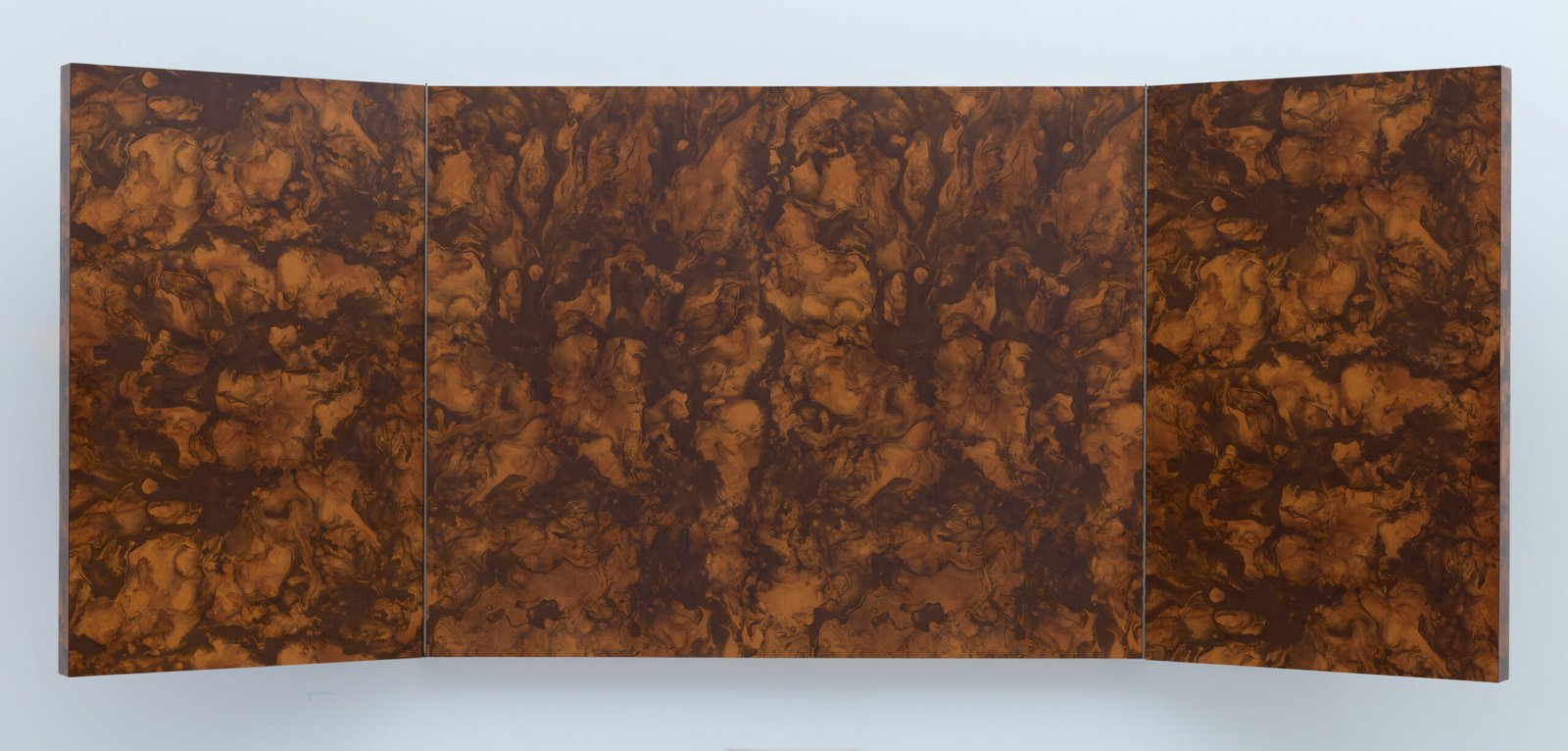
Triptych III
Richard Artschwager used laminated furniture surfaces (Formica) on flat paintings, creating works that blur painting and sculpture. The pieces explore material, form, and space, combining minimalism with irony. By elevating everyday industrial surfaces into art, he critiques mass culture and challenges viewers to reconsider how ordinary materials and textures can carry conceptual and aesthetic meaning.
Artist: Richard ArtschwagerMovement: СonceptualismDate: 1967Link to share
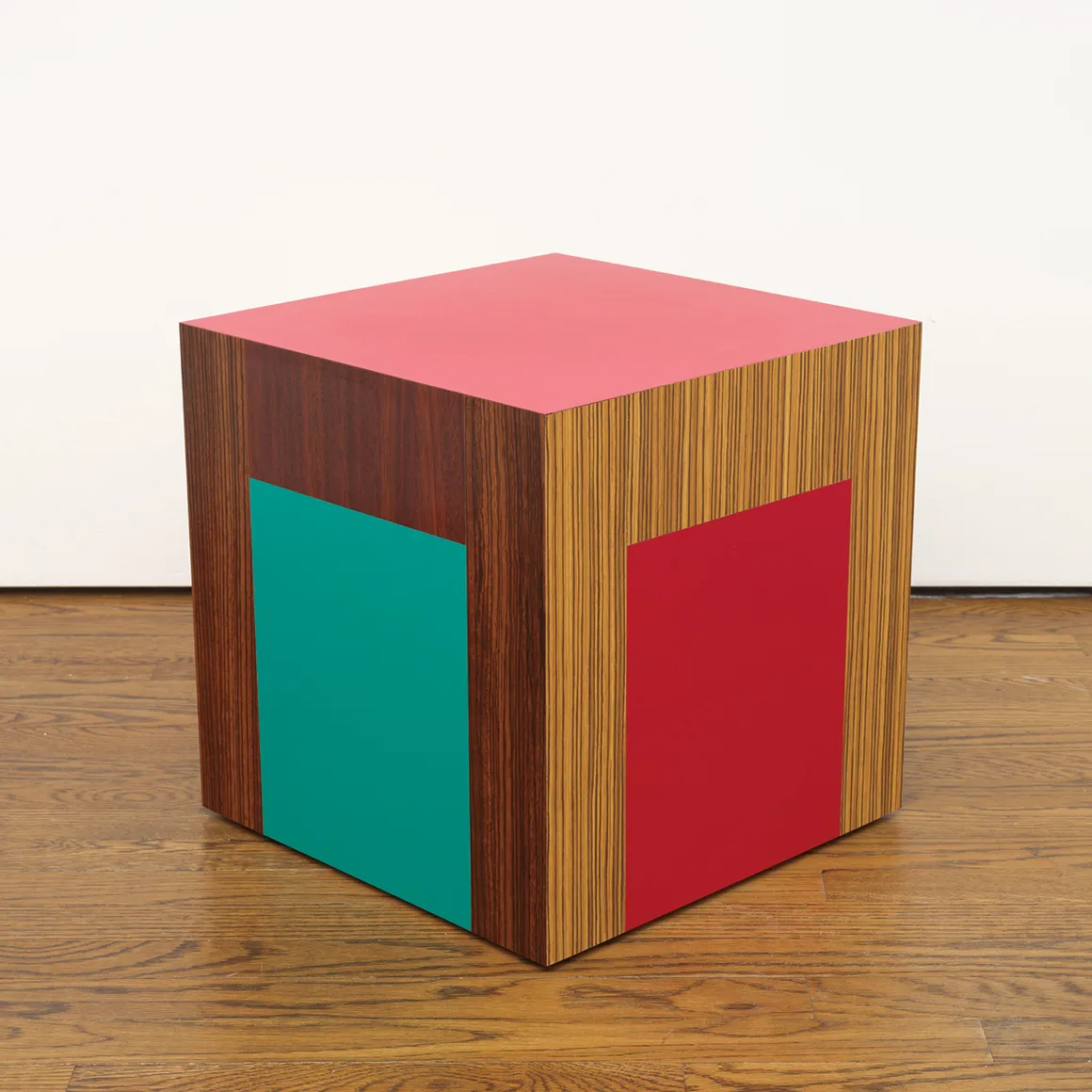
Furniture
Richard Artschwager transformed everyday furniture—tables, chairs, cabinets—into art objects, sometimes retaining only their form without function. The work blurs the line between functional item and artwork, challenging viewers to reconsider what constitutes an object in contemporary art and highlighting perception, context, and conceptual framing over practical use.
Artist: Richard ArtschwagerMovement: СonceptualismLink to share
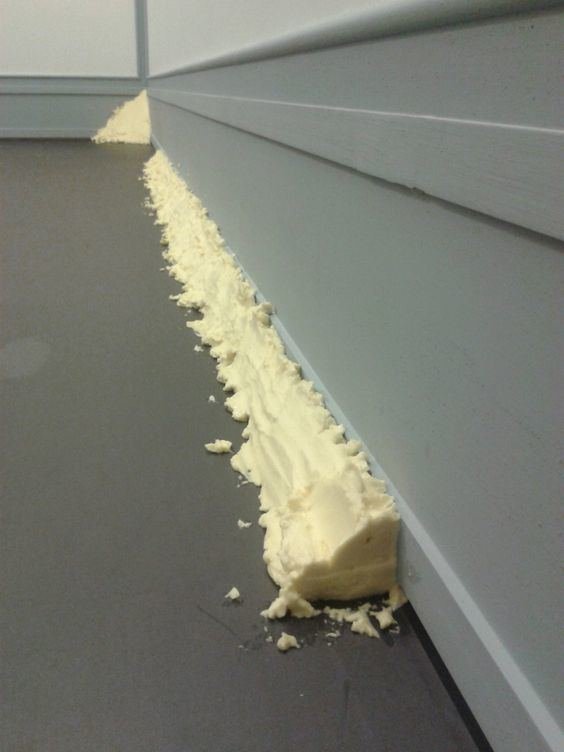
Fettecke
Joseph Beuys’ conceptual work Fettecke (1959) consists of a simple chunk of fat placed in a gallery corner. The piece emphasizes material and process over form, highlighting energy, transformation, and impermanence. It challenges traditional notions of art by turning an ordinary, perishable substance into a symbolic medium, asking viewers to reconsider the meaning of materials, space, and the role of the artist in defining what art can be.
Category: HistoryArtist: Joseph BeuysMovement: СonceptualismDate: 1959Link to share
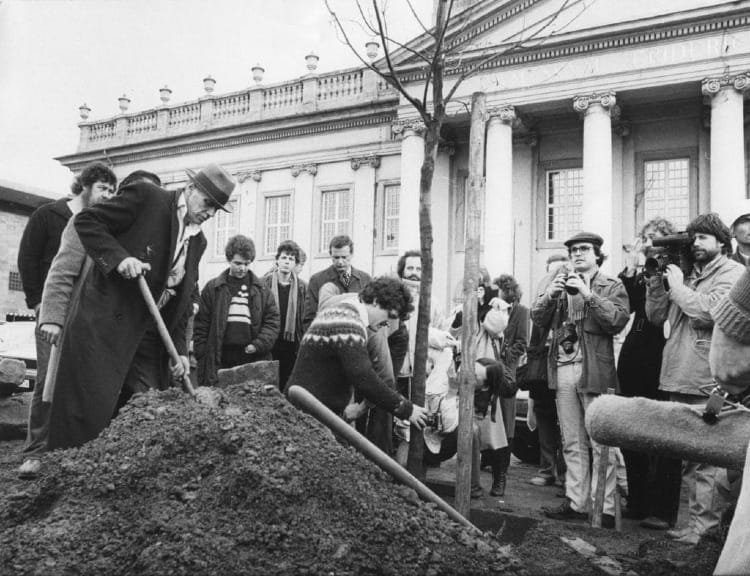
7000 Oaks
Joseph Beuys’ key conceptual work is the project 7000 Oaks (1982–1987). In Kassel, he planted 7,000 oak trees, each accompanied by a stone column. The project transformed the city into a living “sculpture,” connecting people and nature. Beuys demonstrated that art is a process, a social act, and a collective engagement, where the growth of the trees symbolizes time, sustainability, and society’s responsibility for the environment.
Artist: Joseph BeuysMovement: СonceptualismDate: 1982Link to share
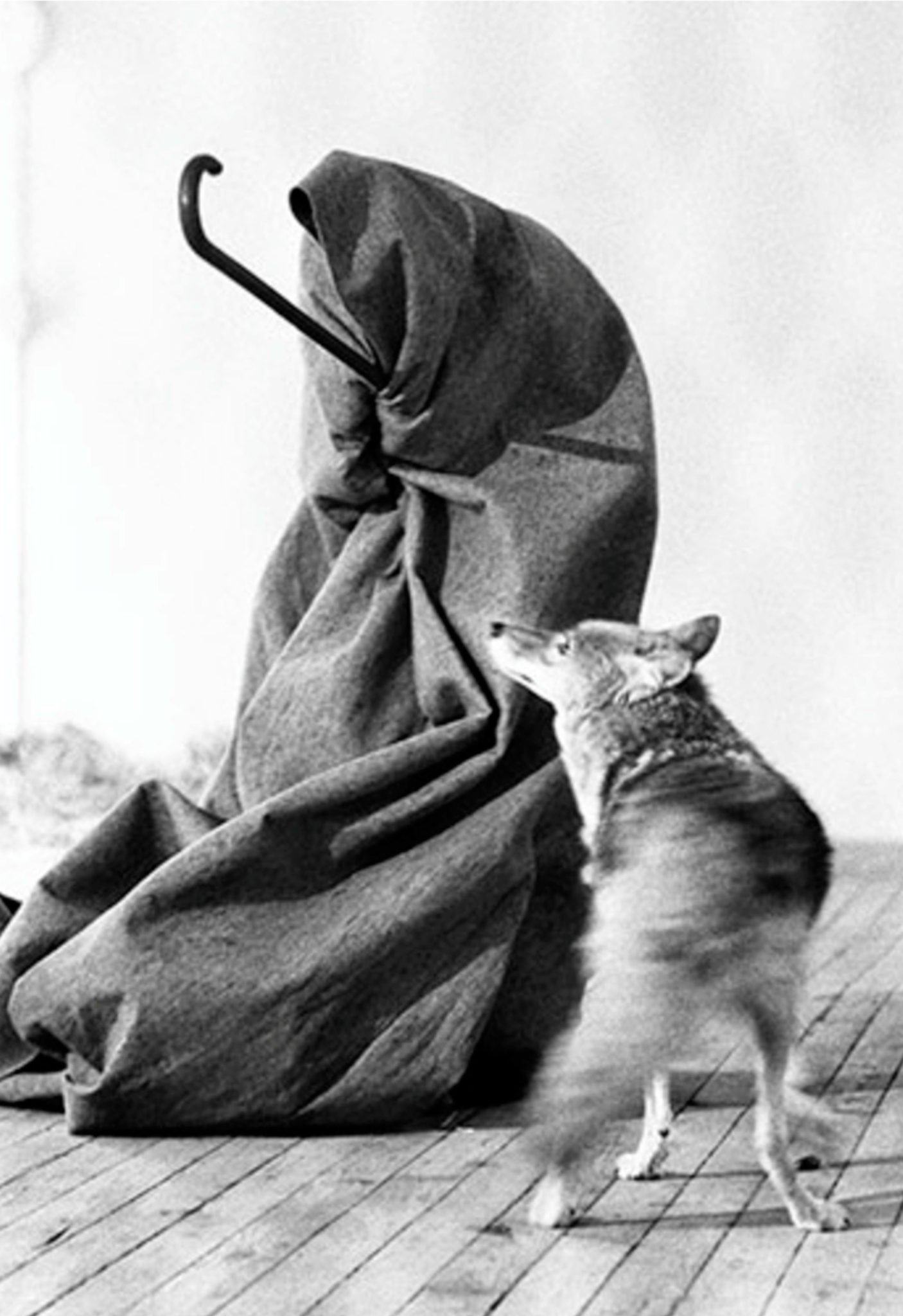
I Like America and America Likes Me
Joseph Beuys’ most important conceptual work is the performance I Like America and America Likes Me (1974). For three days, Beuys lived in a New York gallery with a wild coyote, never touching the floor outside the protective gallery. The piece explores human-animal interaction, conflict, and mutual understanding. It symbolizes reconciliation between humanity and nature, Europe and America, and transforms the gallery into a space of dialogue, emphasizing art as process and social engagement rather than static object.
Category: History, Non-objectArtist: Joseph BeuysMovement: СonceptualismDate: 1974Link to share
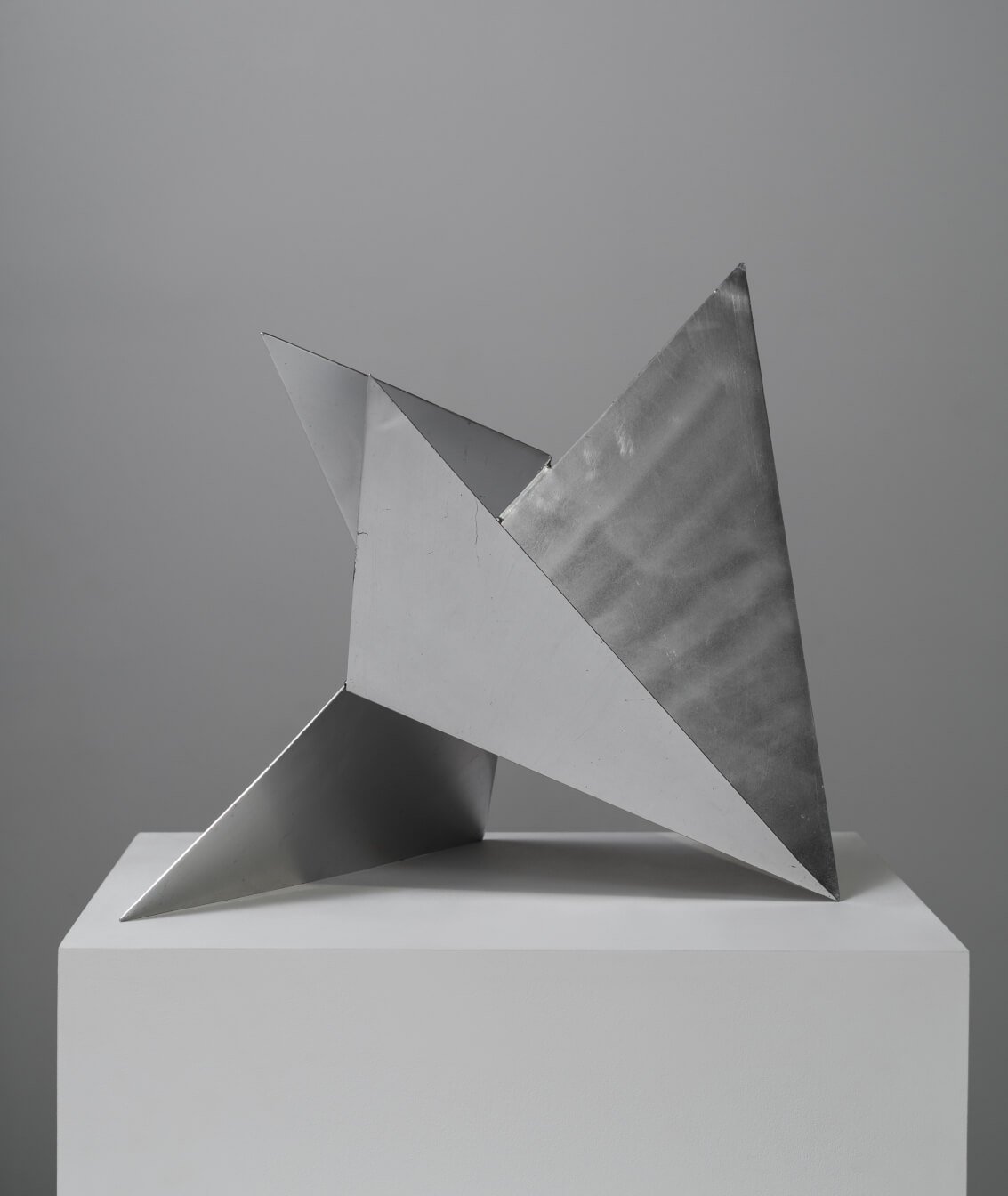
Bichos
Lygia Clark’s most important conceptual work is the Bichos series (1960–1963). These are metal sculptures with movable segments that viewers can bend, twist, and connect. The works emphasize interaction: the art is not static but lives through human engagement. Bichos transform the object into a process and experience, highlighting the Neo-Concrete principle that emotion, perception, and the body matter more than fixed visual form.
Artist: Lygia ClarkMovement: СonceptualismDate: 1960Link to share
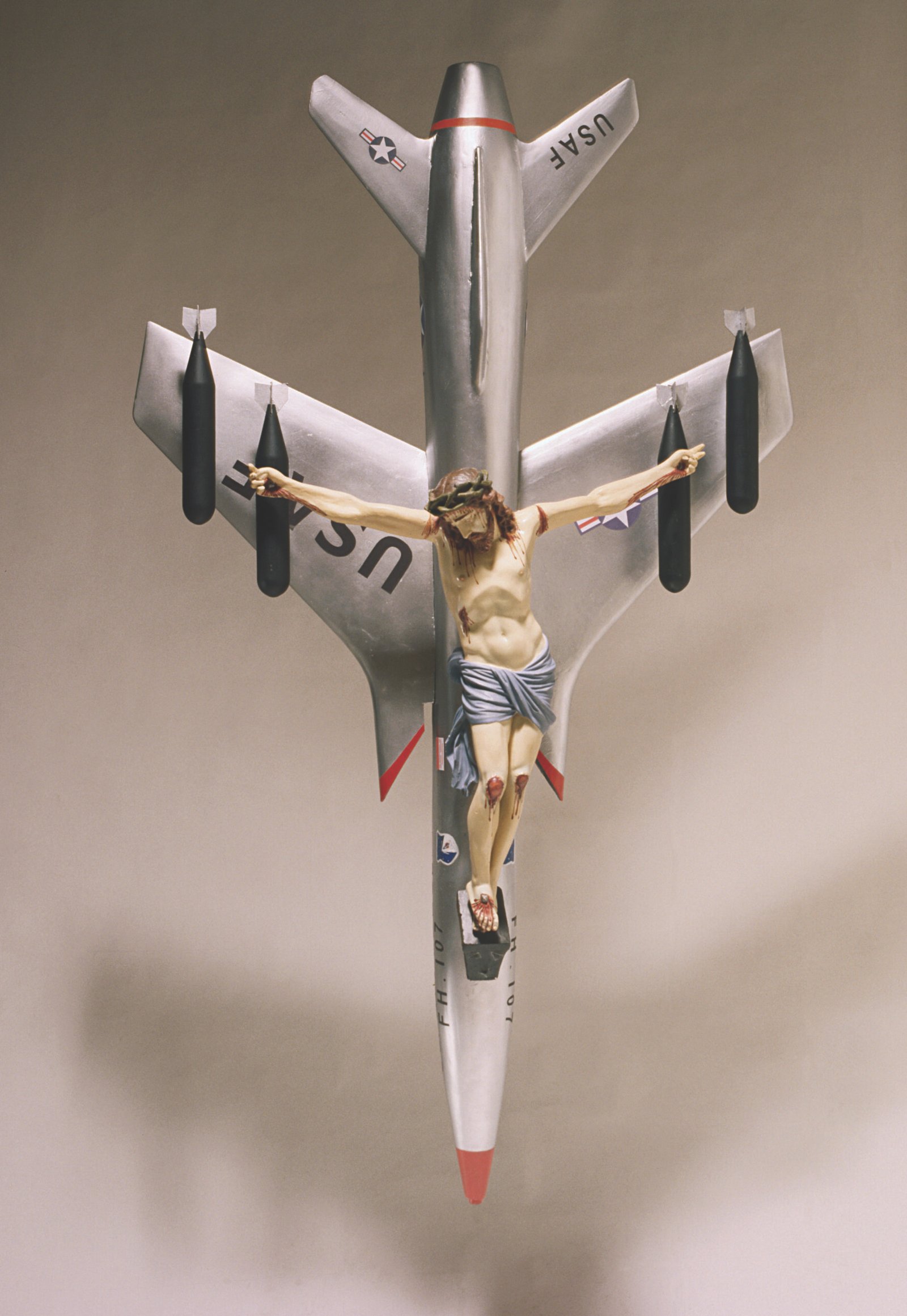
La civilización occidental y cristiana
León Ferrari was a key figure of political conceptual art. His work Western and Christian Civilization (1965) shows the crucified Christ attached to a military aircraft. The piece delivers a sharp critique of Western hypocrisy, where Christian values coexist with war and violence. Ferrari exposes how religion and morality are used to justify killing, turning faith into a component of military power and ideological control.
Category: ObjectArtist: Leon FerrariMovement: СonceptualismDate: 1965Link to share
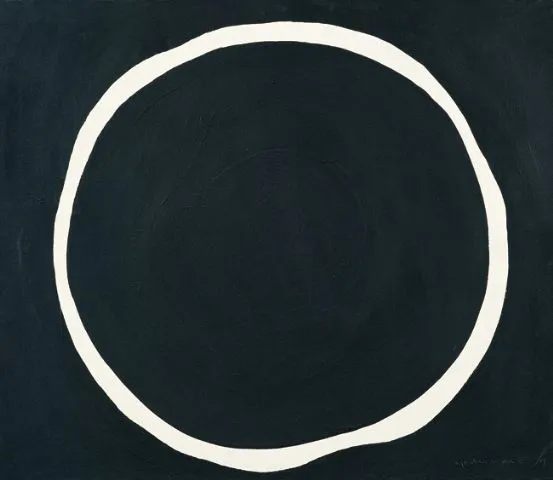
White Circle
Jirō Yoshihara was not a conceptual artist in the strict sense. His key work was not an object but the Gutai movement as a way of thinking. He believed that art emerges from direct contact between the human and matter. His circles are not symbols or images, but traces of a single gesture and moment of action. Yoshihara anticipated conceptualism by shifting focus away from representation and ideas toward process, act, and event, where form becomes a document of action rather than a carrier of meaning.
Artist: Jiro YoshiharaMovement: Gutai Proto-conceptualDate: 1969Link to share
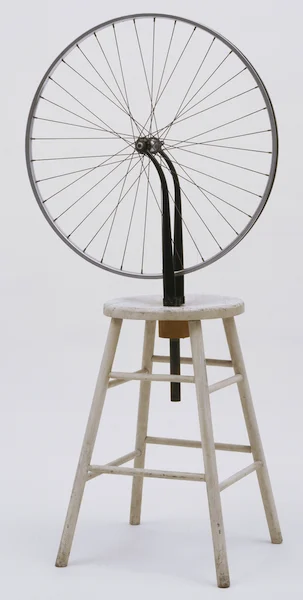
Bicycle Wheel
In 1913, at a moment when art was still largely defined by craftsmanship, painting, and sculpture, Marcel Duchamp introduced Bicycle Wheel. Instead of creating a new form, he selected and combined two ordinary manufactured objects. At a time when the value of art was closely tied to skill and manual labor, Duchamp shifted the focus away from making and toward choice, proposing that the artistic act could exist purely in the decision to designate an object as art.